


CURRENT EXHIBITION
Outreach / touring exhibitions: - see lower down this page
Online exhibitions - generally complemented by [sample] print viewing, by appointment.
At home print viewing, Victoria Street, Wellington
Our most recent Outreach / touring exhibition:
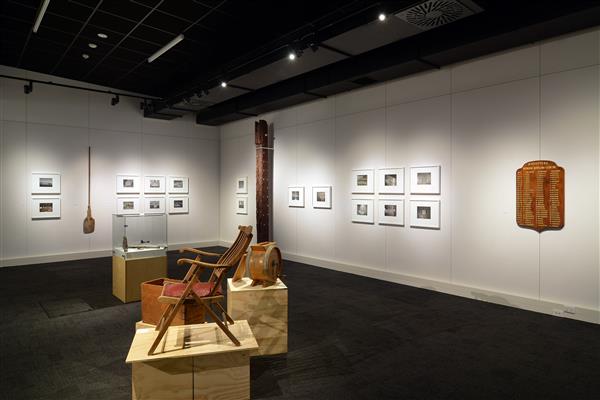
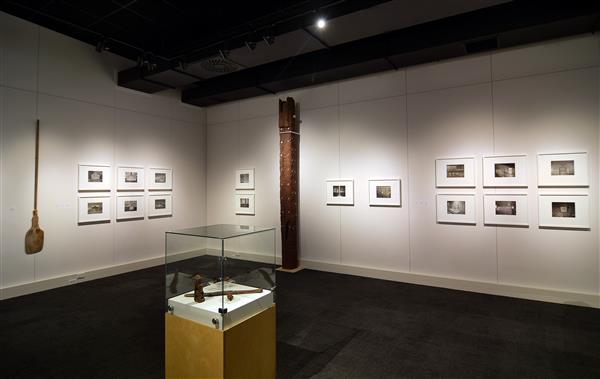
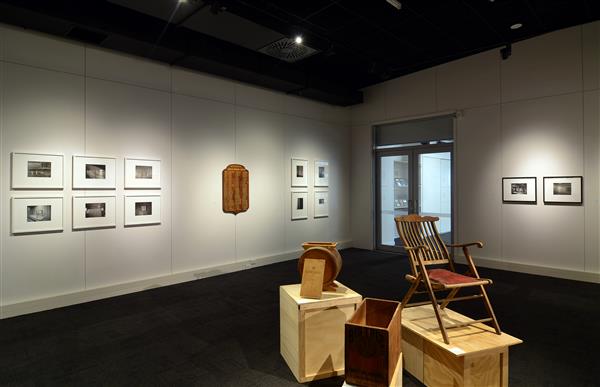
Celebrating Wood: back to the future
photographs by Laurence Aberhart
accompanied by items from the Whakatāne Museum Collection
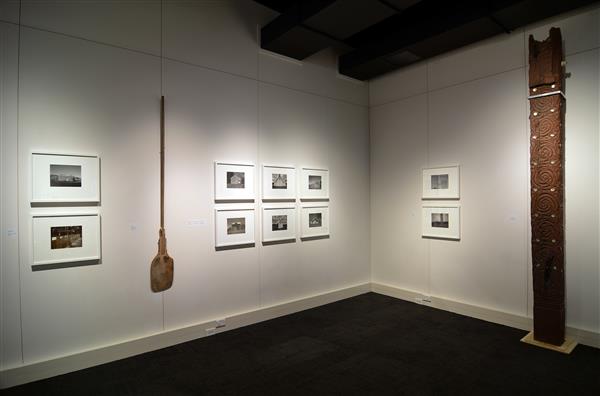
WHAKATĀNE MUSEUM AND ARTS
Te Kōputu a te whanga a Toi | Whakatāne Library and Exhibition Centre
Click HERE to see more work by this photographer
Laurence Aberhart CV: PDF
Background notes for exhibition
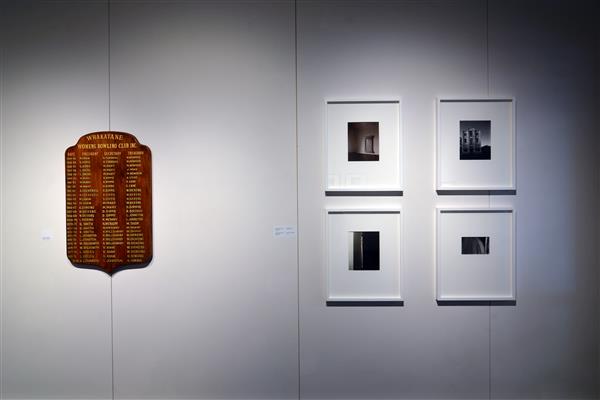
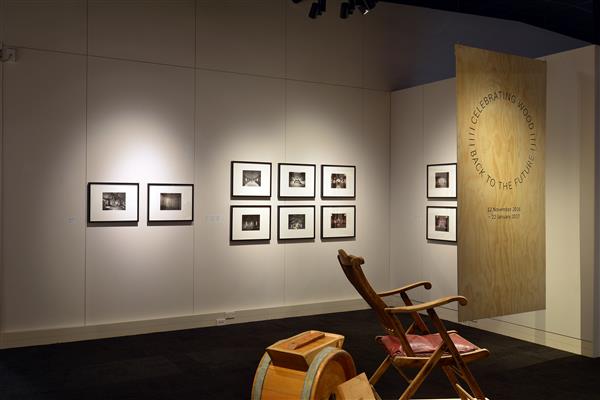
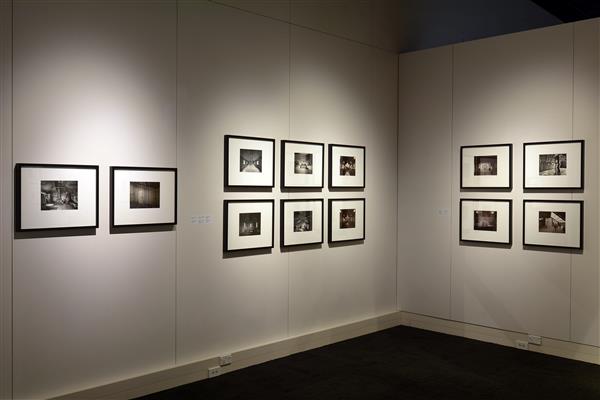
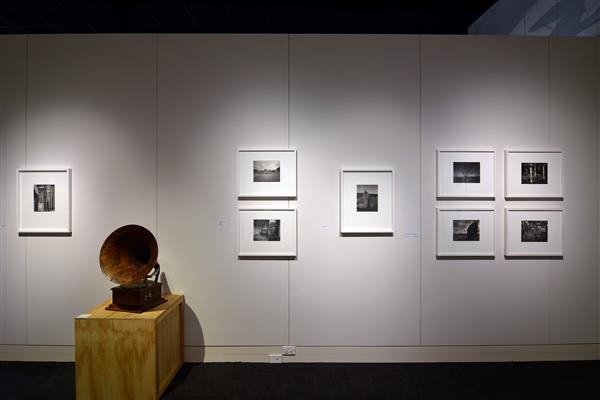
A catalogue can be obtained when visiting the exhibition LINK


Interior #2, Lodge Unanimity #3, Lyttelton, December 1981
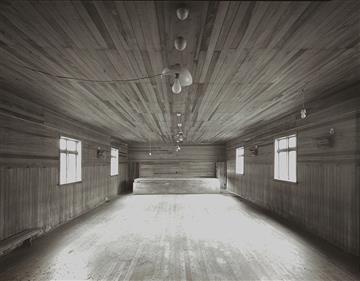
Interior, Hall, Katea near Owaka, Southland, 19 April 1999
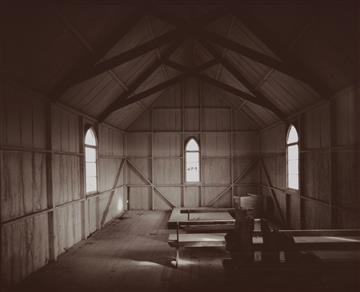
Interior, church, Maraeroa, Hokianga Harbour, Northland,
2 May1982
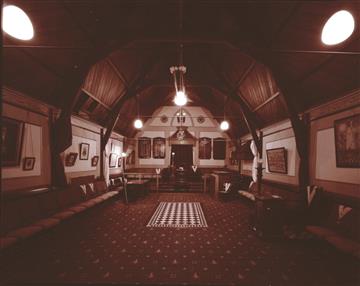
Interior #1, Lodge Unanimity #3, Lyttelton, December 1981

Interior, from upstairs gallery, Motukaraka Catholic church,
Hokianga Harbour, Northland, 4 May 1982
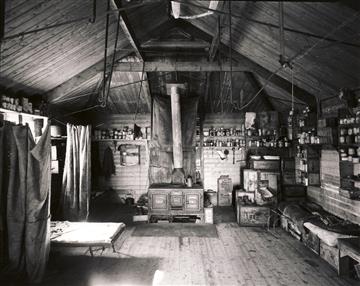
Interior, Shackleton's hut, Cape Royds, Ross Island,
Antarctica, 1 December 2010

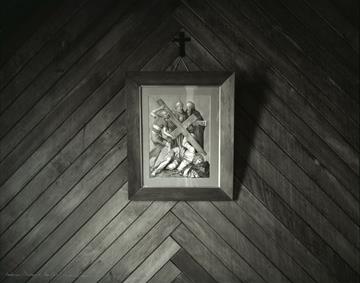
Interior, 'Station of the Cross' ,Kakahi, Central North Island,
7 April 1982
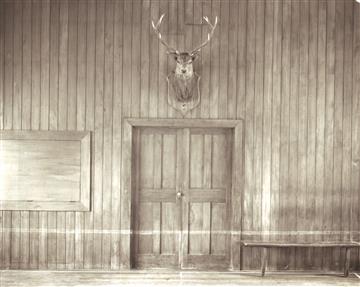
Interior, hall, Sherenden, Hawke’s Bay, 22 September 1993
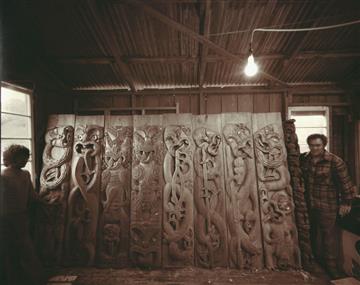
Carvers, Motuti, Hokianga Harbour, Northland, 29 April 1982
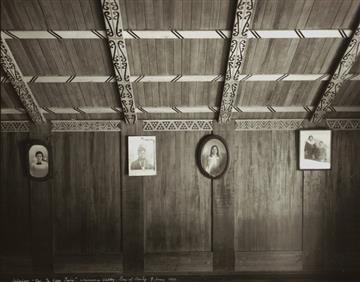
Interior #2, ‘Toi Te Hau Tahi’, Waimana Valley, Bay of Plenty,
9 June 1982
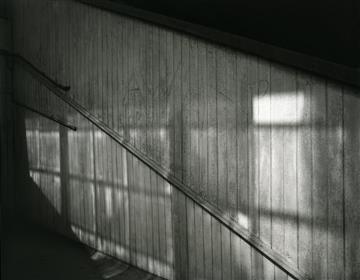
Wall, upper stand, Forbury Park, St. Clair, Dunedin,
9 February 1999
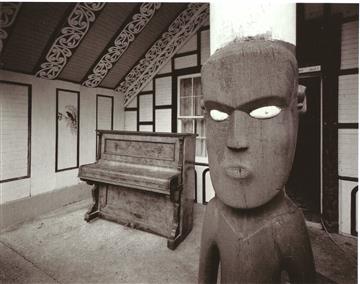
Te Waiherehere, Koroniti, Wanganui River, 29 May 1986
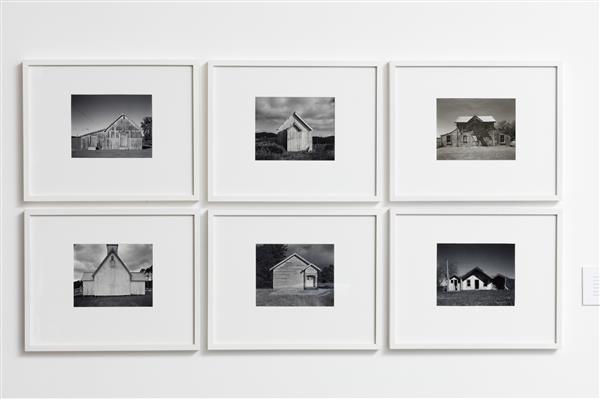
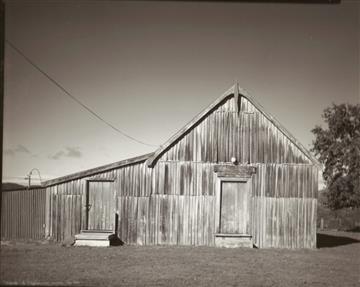
Meeting House, Okoriki, Te Iringa, near Kaikohe, May 1982
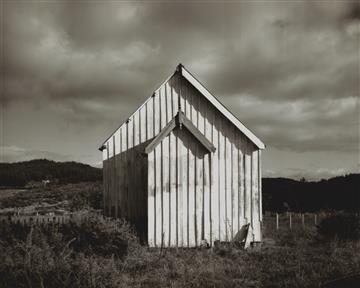
Church, Maraeroa, Hokianga Harbour, Northland, 2 May 1982
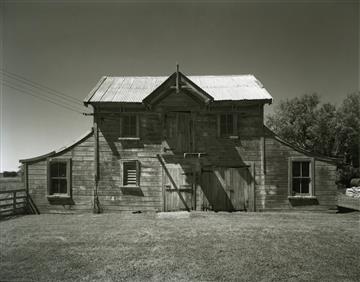
Polish barn, Rangiteiki Line, Palmerston North,
30 November 2008
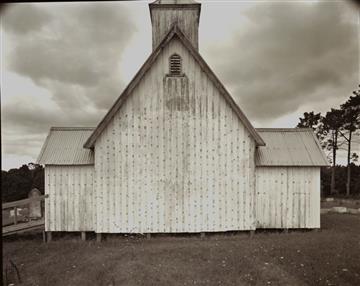
Oramahoe, Northland, 5 February 2002
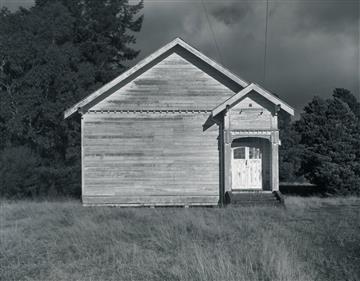
Horopito, Volcanic Plateau, 13 May 2005
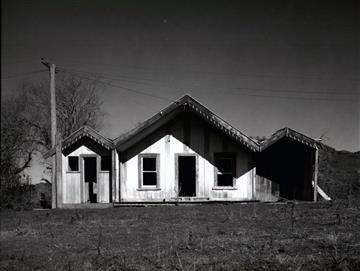
Old meeting house, disused Ratana marae, Te Kuiti, June1982
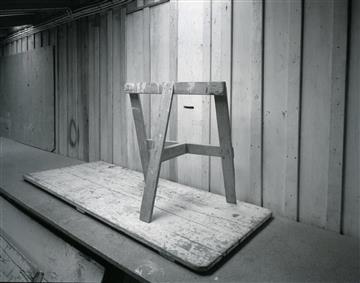
Trestle, Waimate North, Northland, 17 August 2006
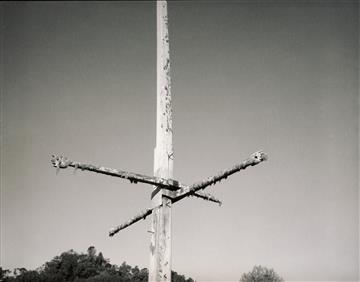
Hau Hau Pole [#3], Upper Wanganui River, 7 April 1982
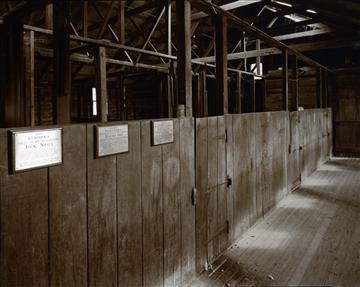
Shearing stalls, Kuriheka Station, North Otago, 14 April 1989
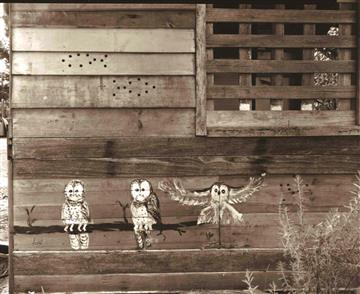
‘Rustic’ [#1], New South Wales, 9 April 2000
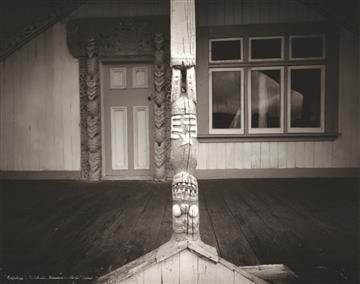
Exterior, ‘Eripitana’, Te Whaiti, Urewera, 18 June 1982
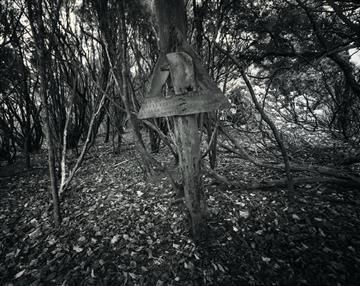
The Blanche Triangle [#3], Beacon Point,
Main Auckland Island, 1 December 1989
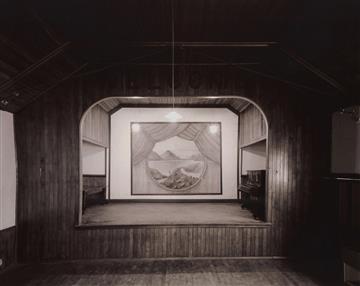
Interior, hall, St. Bathans, Central Otago, December 1980
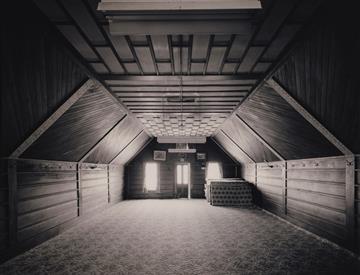
Interior #2, “Awakaueroa”, Kai Iwi, 13 September 1986
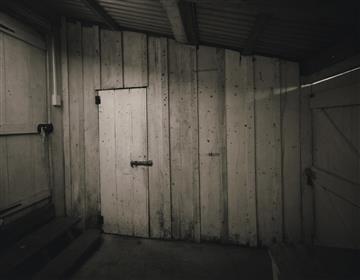
Interior #5, Waimate North, Northland, 17 August 2006
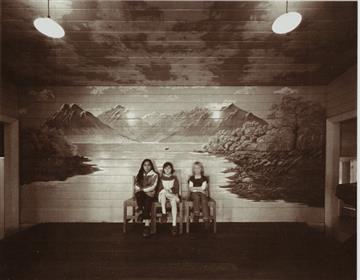
Lesley, Kamala & Charlotte, hall, South Springston,
Canterbury, October1980
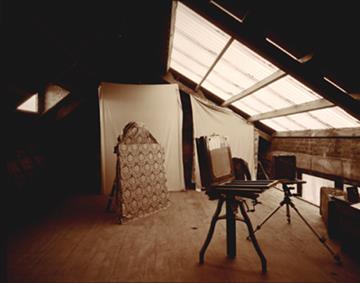
Studio, Wanganui, 10 December 2005
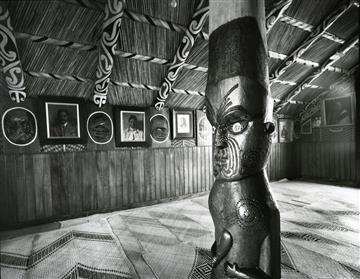
Interior, "Okahukura", Otukou, 18 January 1993
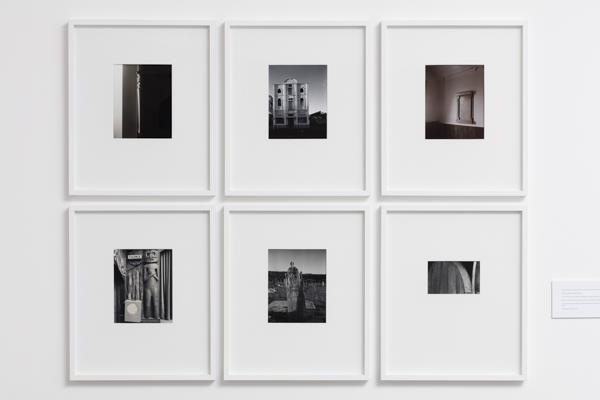
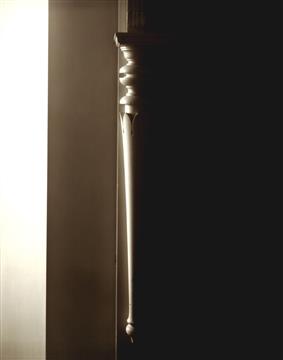
Detail [Frippand Golds Boro] house, Parnell,
Auckland, 6 April 1999
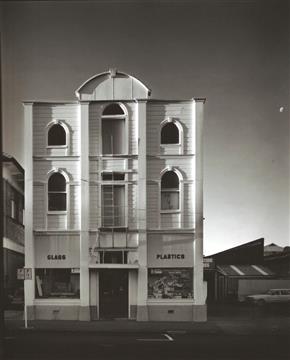
Wooden Building, Wanganui, 1986
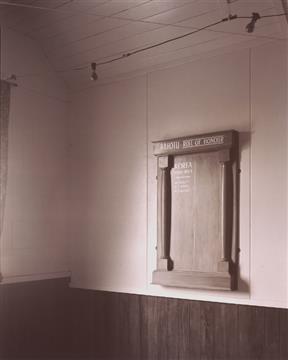
Roll of Honour [Korea], Rahotu Hall, Rahotu,
Taranaki, 2 August 1991
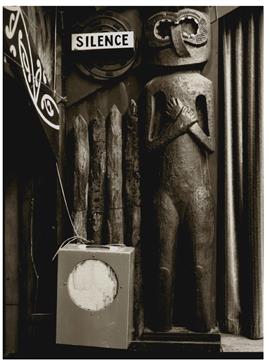
Nature Morte (silence), Savage Club,
Wanganui, 20 February 1986
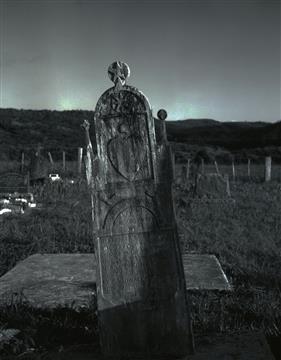
Carved headboard #1, Maraeroa, Hokianga
Harbour, Northland, April 1982
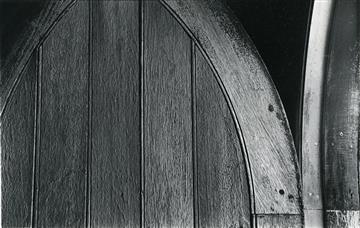
Oramahoe, Northland, 1970
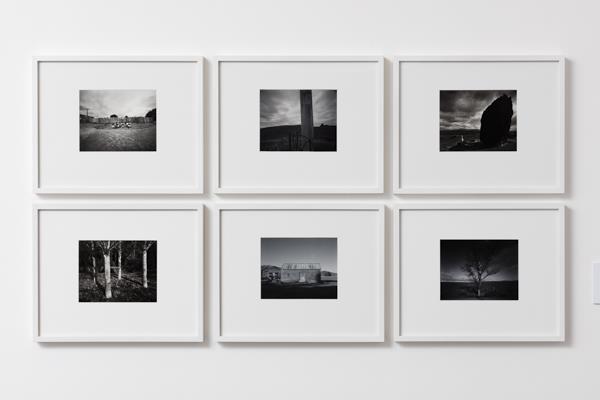
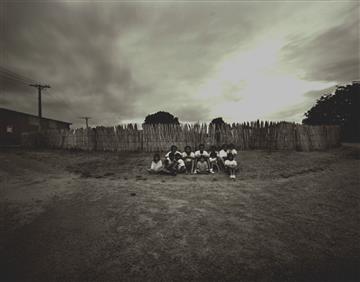
Huntly West, [20 seconds, evening] 17 February, 1994
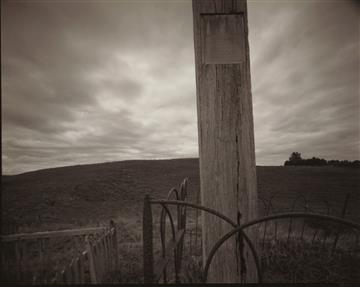
Hipango Monument, Korokota [Golgotha], Putiki,
Wanganui, 31 January,1986
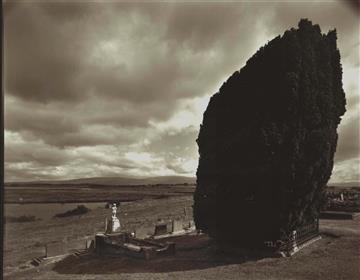
Riverton, Southland, 25 February 1999
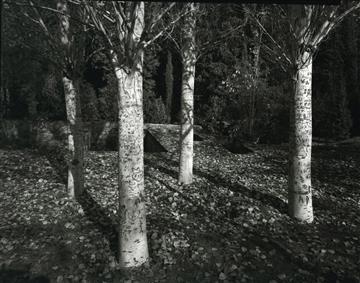
Trees, Generalif, The Alhambra, Grenada, Spain,
16 November 1994
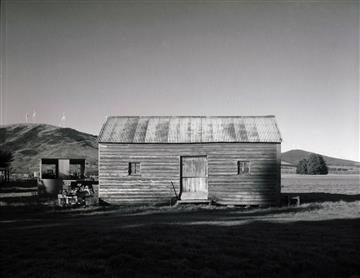
Landscape #77, Mossburn, Southland, 24 June 2012
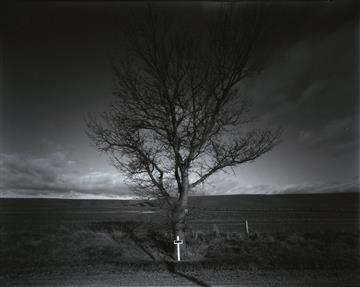
Roadside WW1 memorial [#6], between Otiake and
Duntroon, North Otago, June 1981
8 x 10” contact prints made on gelatin silver or
gelatin silver POP [printing out paper] and
toned with gold and/or selenium toners
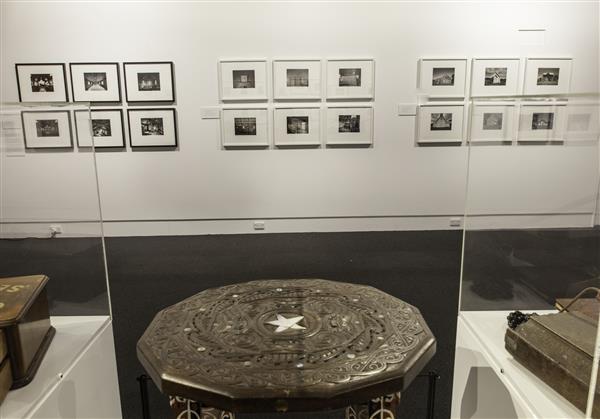
Venue 1
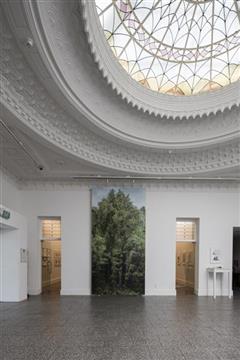
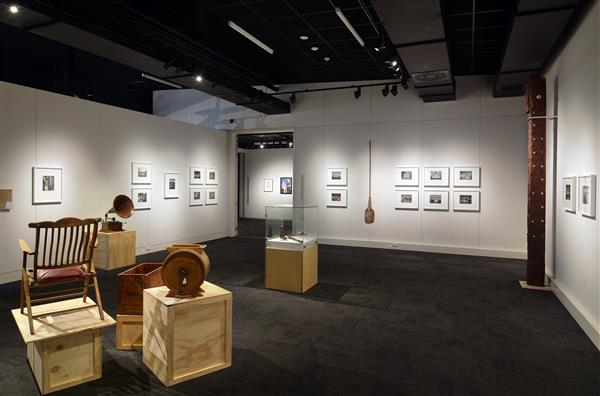
Celebrating Wood: back to the future
photographs by Laurence Aberhart
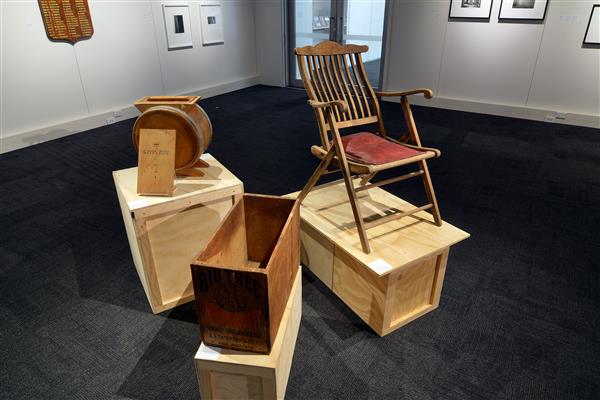
accompanied by university & museum collection items, and scientific exhibits,
. selected by the host venues in response to the photographs
Gus Fisher Gallery, University of Auckland
27 May - 2 July
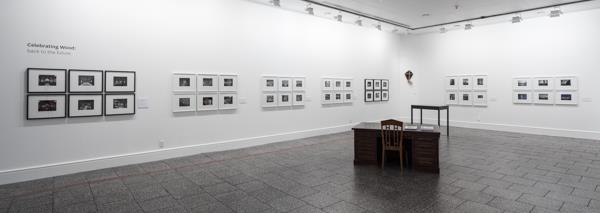
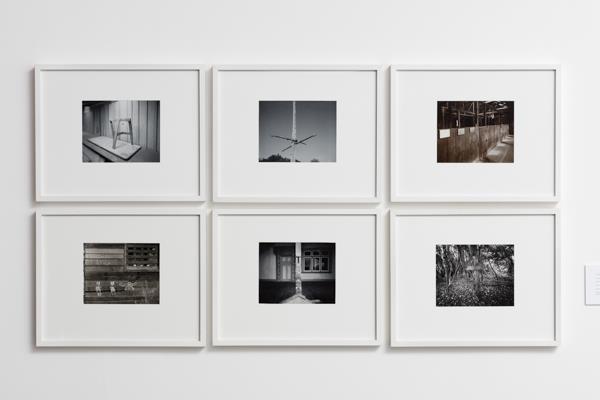
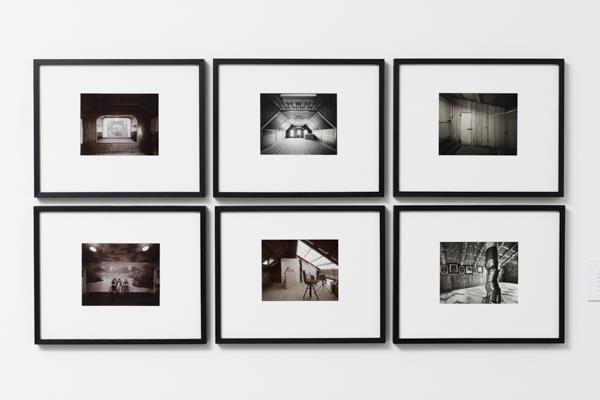
Installation photographs Samuel Hartnett
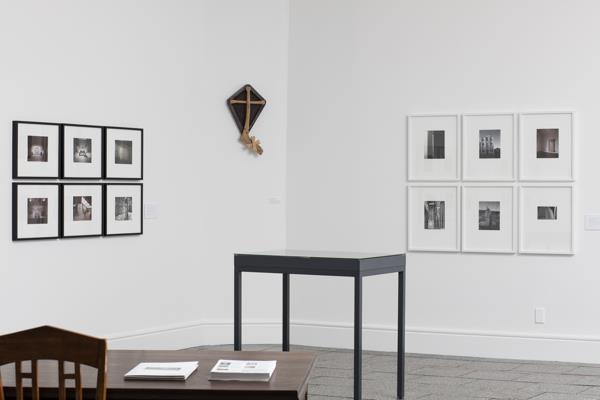
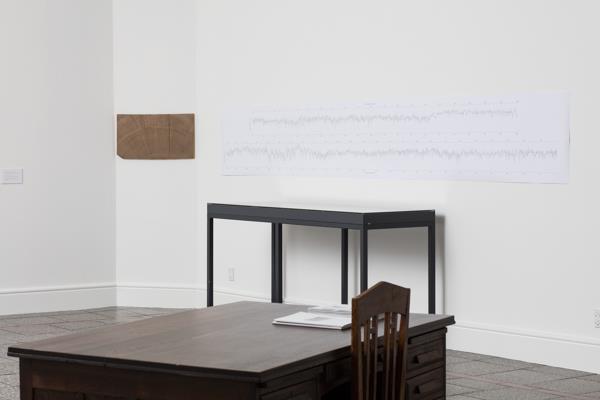
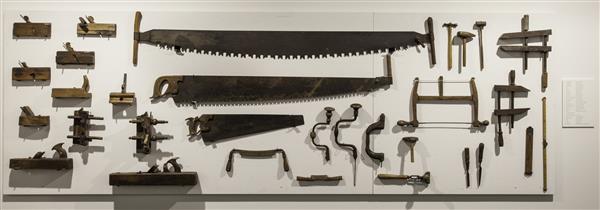
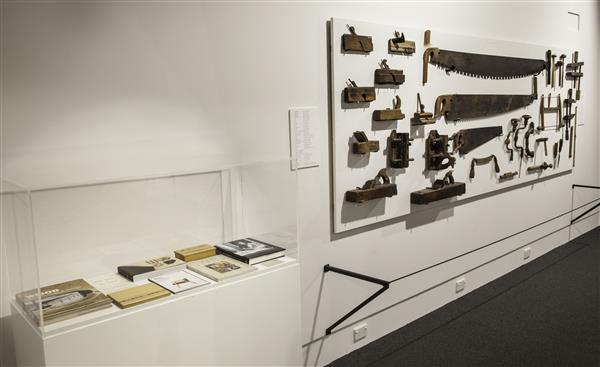
Desk & chair by architect Roy Alston Lippincott (1885-1969)
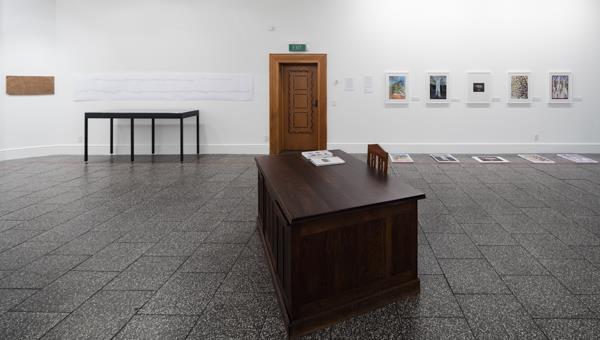
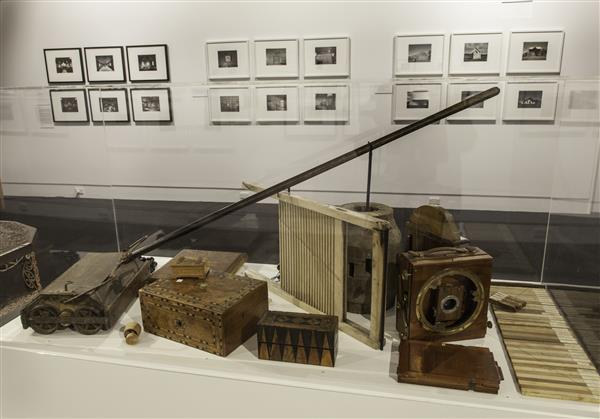
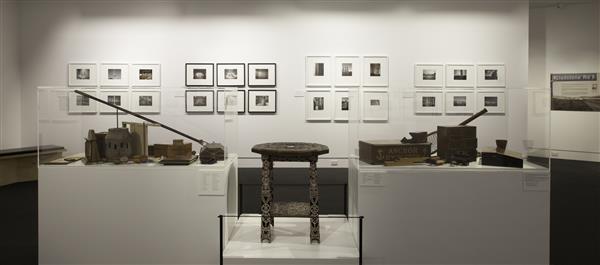
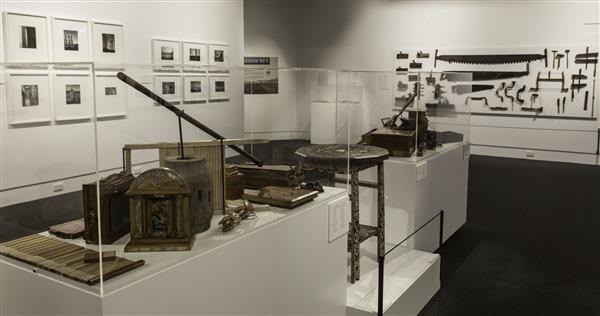
Venue 2
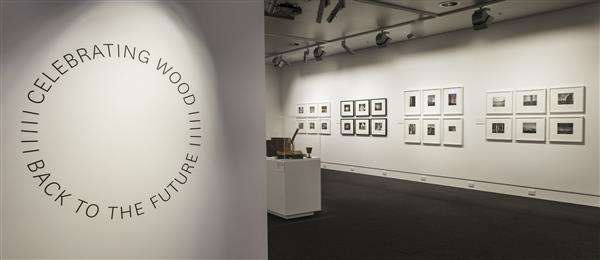
Celebrating Wood: back to the future
photographs by Laurence Aberhart
accompanied by museum collection items,
selected by the host venue in response to the photographs
Tairawhiti Museum Gisborne
15 July – 30 October
Guest curator: Katy Wallace
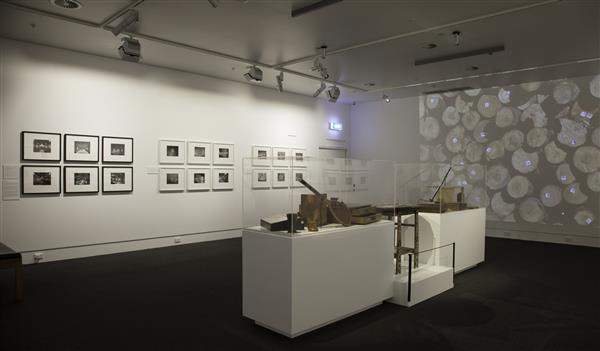
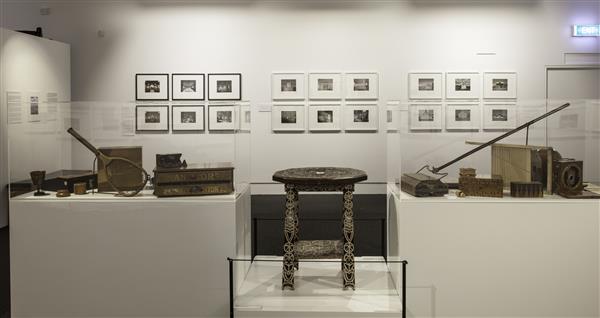
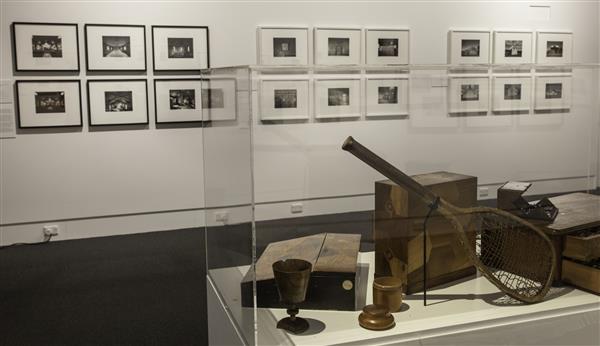
Installation photographs Dudley L. Meadows
Our next Outreach / touring exhibitions:
PREVIOUS EXHIBITIONS
JANUARY - FEBRUARY 2002
Peter Black Moving Pictures
MARCH
Nicholas Twist and Burton Bros / Muir
& Moodie Photographs of Southern
New Zealand-two views *
* Landscape genre exhibitions
APRIL
Paul Johns A Perfect Childhood
MAY
Peter Peryer Significant Early Photographs
JUNE
Gordon H. Burt & Fiona Clark In
the Pursuit of Beauty and Perfection
JULY
Laurence Aberhart The Interior
AUGUST
Gordon H. Brown Hotel North America series
Robin Neate Photographs
SEPTEMBER
Rhondda Bosworth 44 Photographs 1974 - 1999
OCTOBER
Wayne Wilson Popular Dance Culture 2001 - 2002
NOVEMBER
Wayne Barrar STRAUMUR: Photographs from Southern
Iceland
Including: Platinum prints & Cyanotypesypes
DECEMBER
John Johns A Life's Work: a selection of
photographs 1950 - 1996
JANUARY 2003
THE CARAVAN group show 28 artists
...toured to: Pataka [Porirua], The Suter [Nelson] 2003 & Lake Taupo Museum &
Art Gallery [Taupo] 2004
FEBRUARY
Jono Rotman Chambers Project
Laurence Aberhart Interior
MARCH
Ben Cauchi New Ambrotypes & Building
the Empire
APRIL
Fiona Pardington Whakakitenga / Revelation
MAY
Hamish Tocher Scenes from the Life of Christ
Collage-based photographs
JUNE
Peter Peryer www.peryer.co.nz
JULY
Ava Seymour New Work & Heartlands
Collage-based photographs
* Portraiture genre exhibitions
AUGUST
Neil Hamon [UK] living history *
David van Royen [Australia] himself
*
SEPTEMBER
Ross T. Smith Stations of the Cross & selected
photographs 1998 - 2000
OCTOBER
John Daley Big Smoke
...toured to: Pataka [Porirua] & Auckland City Library, 2004
NOVEMBER
Laurence Aberhart Mission Heliographique Extracts:
1999 - 2003
DECEMBER
TRACING POLAROID SX-70 Janet Bayly, Gary
Blackman, Rhondda Bosworth, Dinah Bradley, Greg Burke, Belinda
Fowler,
Paul Gilbert, Paul Hartigan, Paul Johns, Nikolai
Kokx, Belinda Lodge, Len Wesney, Jane Zusters.
JANUARY 2004
Tracing Polaroid continued
FEBRUARY
Fiona Amundsen Wooden
MARCH
Bruce Connew Muttonbirds - part of a story
LINK SPAN FESTIVAL EXHIBITION, during NZ International Festival of the Artis, Taranaki Wharf, Wellington
Peter Peryer & Andrew Ross
APRIL
Wayne Barrar Selections from the Home Range
MAY
Hayden Fritchley Lattice of Coincidence
JUNE
Ann Shelton Vacant Possession
JULY
Len Wesney 34 Photographs 1967-1975
AUGUST
Len Wesney continued
SEPTEMBER
Wayne Wilson Three Kings & Downtown
OCTOBER
Natalie Robertson One Hundred Years
True EVERY Word
NOVEMBER
Grant Beran Everyone Says Hi
Photochemical drawings
DECEMBER 04 - JANUARY
2005
FICTION Max Coolahan, Darren
Glass, Lloyd Godman, Gavin Hipkins,
John Johns, Alan Knowles, Ian Macdonald, Tanja Nola
FEBRUARY
Peter Peryer Big
MARCH
Hamish Tocher Reminiscences & El Aspostolado
APRIL
Peter Black Public
MAY
Anne Noble White Lantern Antarctic photographs
2002 - 2005
PHOTO-LONDON 2005
Laurence Aberhart, Mark Adams, Ben Cauchi, Derek Henderson, Paul Johns,
Fiona Pardington, Neil Pardington, Peter Peryer, Ava Seymour
JUNE
Ben Cauchi In a smoke filled room
Ambrotypes & Tintypes
JULY
Derek Henderson The Terrible Boredom Of Paradise
AUGUST
Joyce Campbell Cellars and Towers
VERBATIM...revelation to oblivion Lopdell House Gallery [Auckland] August -October 2005
National Library Gallery [Wellington] April -
July 2006
Laurence
Aberhart, Peter Black, Gary Blackman, Rhondda Bosworth, Ben Cauchi
Bruce
Connew, John Daley,
Hayden
Fritchley, Derek Henderson, Anne Noble, Fiona Pardington, Neil
Pardington, Peter Peryer, Natalie Robertson,
Ann
Shelton, Hamish Tocher, Ans Westra, Wayne Wilson
&
catalogue essay by Peter Simpson
SEPTEMBER
Max Oettli Bringing It All Back Home
OCTOBER
Haru Sameshima Twin Peaks Selected photographs
from eco-Tourism 1988 - 2004
NOVEMBER
Fiona Pardington Without you
DECEMBER 05 - JANUARY 2006
Laurence Aberhart domestic architecture [with catalogue raisonne] & Nine Masonic Lodges in Canterbury
FEBRUARY
Rhondda Bosworth Exhibit A
MARCH
Paul Johns
APRIL
Mark Adams Photographs 1979 - 2002
MAY
Neil Pardington Interiors
JUNE
Victoria Webb Full-length and Front-on *
JULY
Ben
Cauchi last days
Ambrotypes & Tintypes
AUGUST
Richard Collins Photographs 1962 - 1997
SEPTEMBER
Fiona Amundsen Garden Place
OCTOBER
Lisa Crowley West
NOVEMBER
Hamish Tocher Unknown Renaissance Portraits
DECEMBER
06 - JANUARY 2007
Peter Peryer Summertime
FEBRUARY
Ann Shelton 26 photographs of a house
MARCH
Elaine Campaner [Australia] Paradise if you can stand it
APRIL
the long view [landscape panoramas]*
Laurence
Aberhart
Mark Adams
Wayne
Barrar
NEW
ZEALAND LEGACY Aotearoa
Taonga-tuku-iho
Commissioned by N.Z. Ministry for Culture &
Heritage
April - May Singapore
May Hong Kong
Laurence
Aberhart, Mark Adams, Wayne Barrar, Peter Black, Fiona Clark,
Ian Macdonald,
Fiona
Pardington, Peter Peryer, Ans Westra & Wayne Wilson-Wong
&
catalogue essay by Peter Simpson: Legacy: Fifteen Photographs
from New Zealand
MAY
the long view [continued]*
Laurence Aberhart
Mark Adams
Wayne Barrar
AUCKLAND ART FAIR 2007
Mark
Adams, Peter Black, Gary
Blackman, Rhondda Bosworth, Murray Cammick, Ben Cauchi,
Fiona Clark, Richard
Collins,
Bruce Connew, John Daley, John Fields, Frank Hofmann, John Johns,
Anne
Noble, Max
Oettli, Fiona Pardington, Neil Pardington,
Peter Peryer, Hamish Tocher,
Len Wesney & Ans
Westra
JUNE
Fiona
Pardington the heart derelict
MOVING STILL
Gus Fisher Gallery, The University of Auckland, June
- July
Janet
Bayly, Minerva Betts , Peter Black, Gary Blackman,
Rhondda Bosworth, Elaine Campaner*, Joyce Campbell, Ben Cauchi,
George
Chance, Bruce Connew, Daniel Crooks* , Jennifer French , Hayden
Fritchley , Darren Glass, Murray Hedwig, Gavin Hipkins,
Nikolai Kokx, Len Lye, Anne Noble, Max Oettli, Trent Parke*, Patrick
Reynolds, Lucien Rizos, Natalie Robertson, John Savage,
Ann Shelton & Jane Zusters [* Australia]
&
catalogue essay by Dr Jan Bryant
JULY
Mark Adams Spa Hotel
AUGUST
Ans Westra on reflection
Re-viewing the proof sheets
SEPTEMBER
Anne Ferran [Australia] & Anne Noble
our fathers
OCTOBER
Richard Barraud Being for the Benefit of
Mr Kite: Photographs 1965 - 1975
Ann Shelton 26 photographs of a house Ramp Gallery, Waikato Institute of Technology, Hamilton, October - November
NOVEMBER
Derek
Henderson I go down to the river to pray
DECEMBER - JANUARY 2008
TOOLS OF SURVIVAL: contemporary
photographers using 19C processes
Alan Bekhuis, Joyce Campbell, Ben
Cauchi, Dan Estabrook [USA] & Aaron Seeto [Australia]
A region observed: Hawke's Bay photographs by Laurence Aberhart Hawke's Bay Museum & Art Gallery December 07 - March 08
FEBRUARY
Neil Pardington the
vault
MARCH
Wayne Wilson Wong Tamaki Pà *
Joyce Campbell - LA Botanical Hawke's Bay Museum & Art Gallery March - October
APRIL
Perter Peryer Voices and Echoes - on-line exhibition
MAY
Laurence Aberhart AN EXHIBITION OF NEW PHOTOGRAPHS BY LAURENCE ABERHART DISPLAYING A RANGE OF NOT PREVIOUSLY SEEN,
OR RARELY SEEN IMAGES IN BOTH PRE AND
POST CONTEMPORARY STYLES
Printing Out Paper prints
CLOSE-UP: contemporary
contact prints Gus
Fisher Gallery, The University of Auckland, May - July
Ramp
Gallery, Waikato Institute of Technology, Hamilton, August
Laurence
Aberhart, Mark Adams, Wayne Barrar, Joyce Campbell, Ben Cauchi,
Darren Glass, Fiona Pardingto, Andrew Ross, Haruhiko Sameshima
&
catalogue introduction by Athol McCredie, curator of Photography
Museum of NZ Te Papa Tongarewa
JUNE
Hamish Tocher Illuminated Books
JULY
Ann Shelton hall of mirrors
AUGUST
Marian Drew [Australia] Australiana
Richard Orjis Landslide
SEPTEMBER
Peter Black Outskirts
OCTOBER
John Johns Nature as an object for rational study – a thoroughly modernist approach
Selected photographs 1950s - 1993
NOVEMBER
Fiona Amundsen Miracle on the Han River
Frank Breuer [Germany] Poles
DECEMBER - JANUARY 2009
Fiona Pardington Journey of the Sensualist:selected photographs 1987 - 2008
FEBRUARY
Geoffrey Heath North Shore FX *
MARCH
Ben Cauchi Epilogue
Tintypes
APRIL gallery closed
MAY
AUCKLAND ART FAIR 2009
Laurence Aberhart, Rhondda Bosworth, Ben Cauchi, Marian Drew [Australia],
Dan Estabrook [USA],Anne Ferran [Australia]
Anne Noble, Fiona Pardington & Ann Shelton
RECENT: work
by ten NZ photographers Tauranga Art Gallery,
May - July
Laurence Aberhart, Fiona Amundsen, Wayne Barrar, Joyce Campbell,
Ben Cauchi, Derek Henderson, Paul Johns, Richard Orjis, Fiona
Pardington & Hamish Tocher
JUNE
Janet Bayly & Nikolai Kokx Dwelling
Te Arawa Matariki Festival exhibition: Ans Westra on relection Rotorua Museum of Art & History June - July
JULY
Laurence
Aberhart Heavy metal
Platinum prints
AUGUST
Terry O'Connor Selected photographs 1976–1980s
SEPTEMBER
Paul Johns
OCTOBER
Murray Lloyd Scenes in Maoriland *
NOVEMBER
Mark Adams Te Wairoa ~ Clandon Park (Tene Waitere's travels) *
DECEMBER - JANUARY 2010
A
serious kind of beauty:
the heroic landscape *
Wayne
Barrar [b 1957], Frank
J. Denton [1870 – 1963], Simon Devitt
[b 1973], Peter Evans [b 1985 ]
Derek
Henderson [b 1963 ], Arthur Iles [1870
– 1943], John Johns [1924 – 1999]
Muir
& Moodie [George Moodie c.1865 – 1947], William
Partington [1855 – 1940], Peter Peryer [b
1941]
Haruhiko
Sameshima [b 1958], Ann Shelton [b 1967]
& Henry Winkelmann [1861 – 1931]
FEBRUARY
Simon
Devitt I see
you there
Architectural photography
A serious kind of beauty: the heroic landscape ARATOI Wairarapa Museum of Art & History February - March *
MARCH
Ann Shelton a ride in the darkness *
Terry O'Connor Te Manawa o Tuhoe Whakatane Museum & Gallery March - May
APRIL gallery closed
MAY
Hamish Tocher Time's New Roman *
JUNE
James K. Lowe Ever, ever
JULY
Peter Evans Manipulated by the Human Hand *
KIN The New Zealand Portrait Gallery / Te Pukenga Whakaata, Wellington July – September *
Laurence Aberhart, Janet Bayly, Alan Bekhuis, Peter Black, Rhondda Bosworth, Fiona Clark, Richard Collins, Margaret Dawson, Bruce Foster, Joseph Griffen, Paul Johns, Nikolai Kokx, Anne Noble, Fiona Pardington, Peter Peryer, Clive Stone, Olivia Taylor, John B. Turner & Ans Westra
AUGUST
Joyce
Campbell Te
Taniwha
Ambrotypes & Daguerreotypes
SEPTEMBER
David van Royen [Australia] Good Reason 2008 & Not Moving 2010 *
OCTOBER
Peter Peryer Other: portraits 1975 – 2004 * Exhibition pre-view Looking forward – Peter Peryer at McNamara Gallery
NOVEMBER
Anne Noble by light[photographs 1982 - 2008]
Derek Henderson & Peter Peryer Moaroom - Paris, November - December
Anne Noble by light Mahara Gallery [Waikanae] November - January
DECEMBER - JANUARY 2011
Ben
Cauchi
The Doppler Effect [portfolio]
Salt prints
FEBRUARY
Richard Orjis Fields
MARCH
Andrew Beck Forms
APRIL gallery closed
MAY
Sightseeing NZ & German postcards BLOGSPOT
Sightseeing with Mark Adams, Fiona Amundsen, Karin Apollonia Müller, Wayne Barrar, Frank Breuer,
John Di Stefano, Jeremy Diggle, Elger Esser, Doris Frohnapfel, Eva Leitolf, Anne Noble, Haruhiko Sameshima,
Sarah Schönfeld, Grit Schwedtfeger & Ann Shelton
JUNE
Haru Sameshima Vexing Objects: still-life experiments [1986 - 2010]
JULY
Alan Bekhuis Reflecting Mana: portraits of Tainui Kuia *
Daguerreotypes
AUGUST
Greg Semu The Last Cannibal Supper
SEPTEMBER
Fiona Pardington
From the Field of Dreams: Phallus impudicus and Other Species
Stephen Roucher Stands Whangarei Art Museum September - November
OCTOBER
Wayne Barrar Torbay ti kouka
NOVEMBER
Laurence Aberhart America: a fable
Alan Bekhuis Reflecting Mana: portraits of Tainui The New Zealand Portrait Gallery / Te Pukenga Whakaata, Wellington *
November 2011 – February 2012
Daguerreotypes
DECEMBER
- JANUARY 2012
James K. Lowe
American Night
25.1.12 We are ten
FEBRUARY
John Daley Thirteen: New Zealand Writers, 1992*
includes proof sheets
MARCH
Derek Henderson the trees are big and the sky is blue*
[ NOW AND THEN: Enduring and developing themes in contemporary New Zealand photography Te Manawa Art, Palmerston North
March - June
Laurence Aberhart, Wayne Barrar, Janet Bayly, Andrew Beck, Peter Black, Gary Blackman, Joyce Campbell, Ben Cauchi,
Fiona Clark, Richard Collins, Derek Henderson, Paul Johns, James K. Lowe, Anne Noble, Max Oettli, Richard Orjis, Fiona Pardington, Peter Peryer, Stephen Roucher, Greg Semu, Ann Shelton, Christine Webster, Ans Westra et al ]
APRIL gallery closed
MAY
Peter Peryer Fiona Pardington in conversation
Peter
Peryer Other: portraits 1975
– 2011 Gus Fisher Gallery, The University of Auckland, May - June *
JUNE
Elaine Campaner [Australia] A Place in the Sun
Alan Bekhuis Reflecting Mana: portraits of Tainui Whangarei Art Museum June - August*
JULY
Mark Adams Te Marua, Onauku, Horahorakakahu, Kakapo, Onuku, Otakou, Rakiura, Ruapuke, Hinerata, Henrietta, 1997 *
AUGUST
Ann Shelton The Index Case
SEPTEMBER
Stephen Roucher Stands & Frank Breuer [Germany] Poles + Tunnels [video]
OCTOBER
Fiona Amundsen The Golden Waterway
Naked Light: recent photograms and other camera-less photographs Mahara Gallery, Waikanae, October - December
Mark Adams & Areta Wilkinson, Andrew Beck, Joyce Campbell, Anne Ferran [Sydney], Katy Gundesen, Gavin Hipkins &
Fiona Pardington
NOVEMBER
Ben Cauchi Hypnagogia
DECEMBER
- JANUARY 2013
Naked Light: recent photograms and other camera-less photographs
Mark Adams & Areta Wilkinson, Andrew Beck, Joyce Campbell, Anne Ferran [Sydney], Katy Gundesen, Gavin Hipkins &
Fiona Pardington
FEBRUARY
Andrew Beck Graphics
MARCH
Peter Evans Zealandia: Views from the Peak? *
APRIL gallery closed
MAY
Natalie Robertson The Headlands Await Your Coming
Peter Evans Zealandia: Views from the Peak? Percy Thomson Gallery, Stratford, May *
JUNE
Available Light:imagining more than we see PDF
Laurence Aberhart, Mark Adams, Fiona Amundsen, Wayne Barrar, Richard Barraud [Estate], Andrew Beck, Peter Black,
Rhondda Bosworth, Murray Cammick, Joyce Campbell, Ben Cauchi, J.W. Chapman-Taylor [Estate], Richard Collins, Lisa Crowley, Hayden Fritchley, Frank Hofmann [Estate], Nikolai Kokx, Adrienne Martyn, Anne Noble, Max Oettli, Fiona Pardington,
Trent Parke [Australia], Peter Peryer, Steve Rood [video work], Andrew Ross, Haruhiko Sameshima, Justine Varga [Australia]
& Len Wesney
JULY
Available Light:imagining more than we see
AUGUST
Available Light:imagining more than we see
AUCKLAND
ART FAIR 2013 PDF
Available Light:imagining more than we see
SEPTEMBER
Lisa Crowley A Deep Plane
OCTOBER
Laurence Aberhart INSIDE -Small Worlds of Wonder and Enchantment
NOVEMBER
Anne Noble Securing the Shadow
Available Light:imagining more than we see Mahara Gallery, Waikanae, December - January
Laurence Aberhart, Mark Adams, Fiona Amundsen, Wayne Barrar, Richard Barraud [Estate], Andrew Beck, Peter Black,
Rhondda Bosworth, Murray Cammick, Joyce Campbell, Ben Cauchi, J.W. Chapman-Taylor [Estate], Richard Collins, Lisa Crowley, Hayden Fritchley, Frank Hofmann [Estate], Nikolai Kokx, Adrienne Martyn, Anne Noble, Max Oettli, Fiona Pardington,
Trent Parke [Australia], Peter Peryer, Steve Rood [video work], Andrew Ross, Haruhiko Sameshima, Justine Varga [Australia]
& Len Wesney
DECEMBER
- JANUARY 2014
Seasoned: contemporary salt prints
Wayne Barrar, Ben Cauchi, Dan Estabrook [USA]
FEBRUARY
Rhondda Bosworth Booklet 1, 2014
Flora Photographica Aotearoa Bowen House Exhibition Space
at Parliament, Lambton Quay, Wellington, February - March Laurence Aberhart, Greta Anderson, Wayne Barrar, Janet Bayly, Andrew Beck, Gary Blackman, Rhondda Bosworth,
Joyce Campbell, Ben Cauchi, Max Coolahan [1918–1985], Lisa Crowley, Derek Henderson, Frank Hofmann [1916–1989],
John Johns [1924–1999], Ian Macdonald, Anne Noble, Richard Orjis, Fiona Pardington, Peter Peryer, Haruhiko Sameshima,
C. Brian Smith
MARCH
Paul Johns Christchurch likes to call itself "most English city.”
................Akaroa 30. 09. 2012
................Akaroa Protected 30. 9. 11 Buckland
APRIL gallery closed
MAY
Derek Henderson a change came over the waters
Flora Photographica Aotearoa Depot Artspace, Devonport, Auckland, May - June
JUNE
Flora Photographica Aotearoa
Laurence Aberhart, Greta Anderson, Wayne Barrar, Janet Bayly, Andrew Beck, Gary Blackman, Rhondda Bosworth,
Joyce Campbell, Ben Cauchi, Max Coolahan [1918–1985], Lisa Crowley, Derek Henderson, Frank Hofmann [1916–1989],
John Johns [1924–1999], Ian Macdonald, Anne Noble, Richard Orjis, Fiona Pardington, Peter Peryer, Haruhiko Sameshima,
C. Brian Smith
JULY
Flora Photographica Aotearoa
AUGUST
Flora Photographica Aotearoa
SEPTEMBER
Laurence Aberhart Heavy Metal II
Platinum prints
OCTOBER
Laurence Aberhart Heavy Metal II
NOVEMBER
Joyce Campbell Three Women
DECEMBER
- JANUARY 2015
Fiona Amundsen
Summoning Souls
FEBRUARY
Greta Anderson Day for night stills for ‘The Members’ a film about a benign cult located west of a city in NZ
MARCH
James K. Lowe Return To The Soil
APRIL gallery closed
MAY
Laurence Aberhart To The Fallen
Peter Evans & Murray Lloyd Oil & Water: Is clean water the new oil? Depot Artspace, Devonport, Auckland, May – June *
JUNE
Some Australian Photographs
Marian Drew, Anne Ferran, James Tylor & Justine Varga
JULY
Some Australian Photographs
AUGUST
Some Australian Photographs
SEPTEMBER
Mark Adams Clevedon garden - George Brown / Hori* Paraone [* referred to as'Ihaka' at time of exhibition]
--------------------------------------------------------------------------------------------------------------------------------------------------
On 26.9.15 our Wicksteed Street exhibition space closed
Our gallery focus henceforth is on outreach exhibitions, print viewings [by appointment], at home print viewing, Wellington,
on-line exhibitions, catalogue & book sales, and as a resource for the medium of photography and will operate from 3 Rees Street, Whanganui.
--------------------------------------------------------------------------------------------------------------------------------------------------
NOVEMBER
Samuel Hartnett in situ
DECEMBER- JANUARY 2016
Joyce Campbell
Depictions of mystery -at home print viewing, Wellington, 4 - 6 December
Daguerreotypes,
Ambrotypes, Tintypes & contact prints
Jane Zusters Where the home is
FEBRUARY
Stephen Roucher cnr Mercer and Victoria Streets -at home print viewing, Wellington, 19 - 21 February
MARCH
APRIL
MAY - JULY
Celebrating Wood: back to the future Gus Fisher Gallery, The University of Auckland
Laurence Aberhart photographs accompanied by museum/gallery collection items and scientific exhibits selected by the host venue in response to the photographs.
George Chance & Anton Maurer Contemplations of place: eight decades on Depot Artspace Auckland *
JULY - OCTOBER
George Chance & Anton Maurer Contemplations of place: eight decades on Mahara Gallery Waikanae *
Celebrating Wood: back to the future Tairāwhiti Museum Gisborne
Ruminations in the cloisters: talking about photography Old Bank Space, 87 Devon Street, New Plymouth
[in association with Govett-Brewster Art Gallery] 28 - 31 July
Materiality [Modalities employed in contemporary practice] Laurence Aberhart, Mark Adams, Wayne Barrar, Janet Bayly,
Joyce Campbell, Ben Cauchi, Derek Henderson, Anne Noble, Peter Peryer, Andrew Ross & Aaron Seeto
Laurence Aberhart selected Taranaki photographs
Peter Peryer selected works, 1979 – 2015
Collecting Photographs Samuel Hartnett
NOVEMBER- JANUARY 2017
Celebrating Wood: back to the future Whakatāne Museum & Gallery Whakatāne
FEBRUARY
Interventions *
James Tylor: Aotearoa, my Hawaiki, 2015
Shaun Waugh: Covenant cut-outs, 2012-2014
OCTOBER
Derek Henderson & James K. Lowe Contours: blurring the lines
25.1.22 We are twenty
